Although you may be tempted to savor your first pumpkin spice latte of 2019 and cling to summer for as long as possible, the holiday season is rapidly approaching. While some embrace last-minute shopping sprees after Christmas Eve dinner, this approach won’t work for holiday marketing. Maximizing your holiday sales requires weeks of strategic planning well in advance of key dates.

Fortunately, our partners at Bing have analyzed their vast database and provided valuable insights into holiday shopping trends. This article presents 13 key statistics to help you achieve your most profitable holiday season yet!
#1: Mobile Devices Will Likely Drive 40% of All Online Sales
Mobile strategy is more important than ever. People are busier than ever, making holiday shopping on their phones increasingly common. To optimize for mobile traffic:
- Prioritize mobile optimization for your website. This is the most critical element of your mobile strategy.
- Ensure your website loads quickly on mobile devices. Test your site speed with Google’s Test My Site.
- Use analytics to adjust your mobile bids. Bid higher when mobile visitors are most active.
- Simplify forms and checkout processes. Minimize required fields and avoid unnecessary information, like secondary emails or security questions. Simplicity is key for mobile users!
#2: 47% of Shoppers Dislike Paying for Shipping
Who enjoys paying for shipping? Amazon Prime’s success proves that many people avoid shipping fees. Advertising free shipping can give you a significant advantage over competitors.

Highlight your free shipping offer across your holiday marketing campaigns. Mention it in search ad copy and sitelink extensions. Feature it in social media ads and prominently display it on product pages, landing pages, and during checkout.
#3: 46% of Shoppers Prefer to Physically Examine Products Before Purchasing
Even without a physical store, you can build trust and demonstrate product accuracy. Consider Lulus, an online women’s clothing retailer. Their product pages feature comprehensive information, including garment descriptions, sizing details, and even model information for reference.
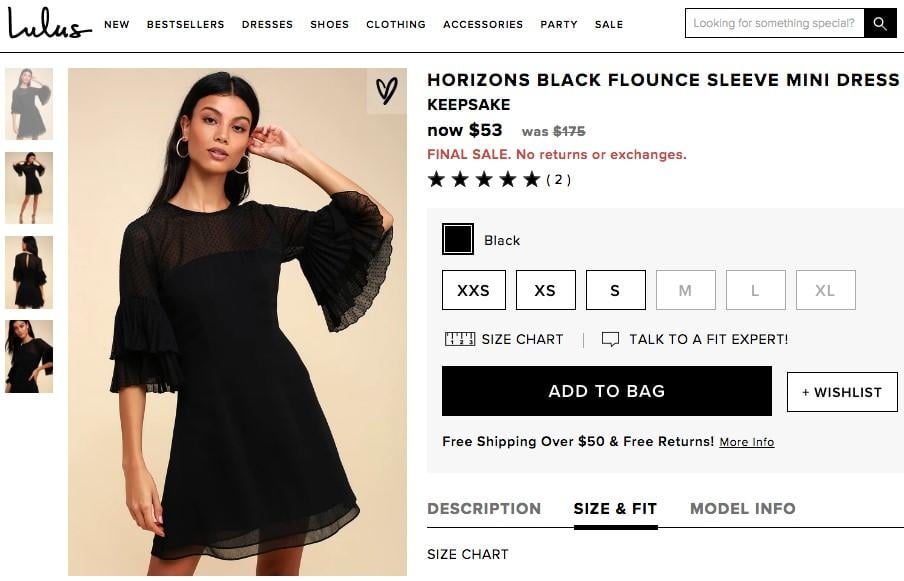
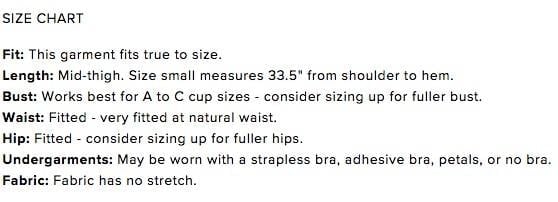

You can also build trust by encouraging customer reviews, showcasing products from multiple angles to demonstrate size and scale, and using descriptive language to create a tangible sense of the product.
#4: 37% of Shoppers Value Return Options
For many, the inability to return an item is a deal-breaker. Online purchases lack the certainty of physical stores. If you offer returns, highlight this in your marketing materials, just like you would with free shipping. Clearly outline your return policy and avoid unnecessary complexity. A confusing or non-transparent return policy can lead to negative reviews.
#5: Bing Processes 744 Million Retail Searches
Bing is a powerful force in paid search, especially during the holiday season. As holiday shopping ramps up, more people turn to Bing. If you aren’t already advertising on Bing, now is the time to start. Conveniently sync your Google Ads account with Bing for a seamless setup.
#6: The Average Consumer Spends $1,226 on Holiday Gifts
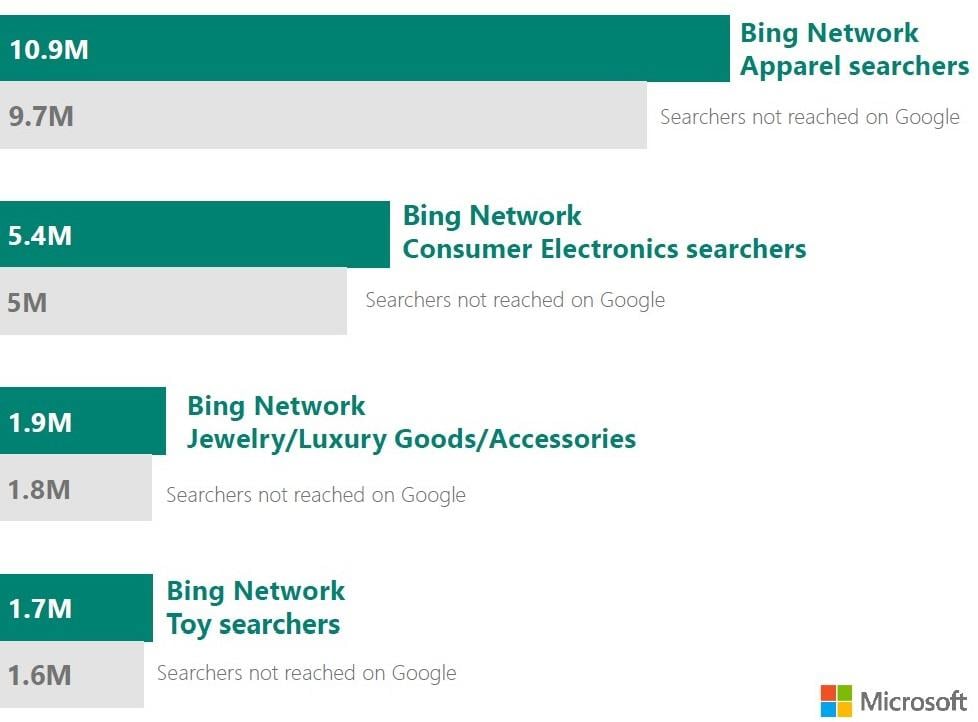
This significant spending presents a fantastic opportunity for businesses. What’s even better is that Bing reports this figure doubles for households with incomes exceeding $100,000, a demographic representing over a third of their audience. Bing searchers outspend average internet users by 34%, highlighting the platform’s potential for reaching high-value customers. Prepare your Bing holiday campaigns early to capitalize on this lucrative market.
#7: 22% of Shoppers Begin Holiday Shopping in October
That’s right, October! While some are incredibly organized, there’s still time to capture early shoppers. Prioritize reaching these individuals and enticing them with early deals. Although a larger group (31%) starts after Cyber Monday, the difference isn’t as significant as it seems. Implement campaigns throughout the season to maximize your reach and sales potential.
#8: The Week of November 5 Experiences the Highest Year-Over-Year Retail Click Growth on Bing
The week of November 5 is when shoppers transition into holiday mode. Be prepared for this surge in activity by adjusting your bids, launching special promotions, and maximizing your visibility.
#9: 42% of Sales the Week Before Christmas are Shoppers Utilizing Online Ordering with In-Store Pickup
Procrastinators are abundant, and they often rely on alternative fulfillment methods due to time constraints. If you offer in-store pickup for online orders, emphasize this option throughout your marketing campaigns. Alternatively, if you provide expedited shipping during peak season, advertise it prominently to appeal to these last-minute shoppers.
#10: December 26 is the Fourth Busiest Shopping Day
While surprising at first, it makes sense considering the post-holiday sales. Don’t overlook this opportunity; plan and capitalize on the December 26th surge. Impressing your boss with a successful post-Christmas sales boost might even lead to a New Year promotion!
#11: 17.6% of Monthly Searches are New Queries
This significant number of fresh search queries highlights the need for a balanced keyword strategy. Avoid overly restrictive keywords and incorporate a variety of match types to capture these new searches. While keeping ad groups concise is recommended, relying solely on restrictive match types can limit your reach. Introduce broader match types but diligently monitor search query reports to identify and block irrelevant searches.
#12: Brand Searches Peak During Black Friday and Cyber Monday
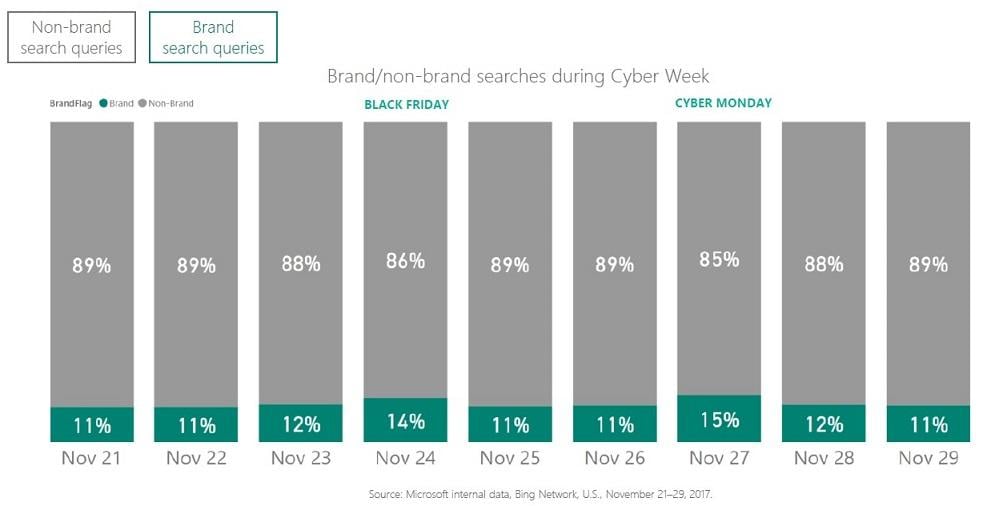
This aligns with consumer behavior during these major shopping events. Shoppers often have specific brands in mind. Leverage this trend by focusing on brand keywords and even bidding on competitor brand terms. Highlight your unique selling points to attract new customers.
#13: Cyber Monday Boasts the Highest Conversion Rate of the Holiday Season
With an impressive 6.39% conversion rate, Cyber Monday reigns supreme. While some delay shopping until after Cyber Monday, this is the day to maximize your return on investment. Given the potential sales decline in December, strategically allocate some of your budget to bolster Cyber Monday campaigns. Analyze previous seasonal data to determine the most effective spending distribution. It’s time to set aside the pumpkin spice latte and conquer the 2019 holiday season!