As we head into 2020, the pressure is on for online retailers. Competing with the sheer volume of sellers on platforms like Amazon and Walmart is a significant challenge, especially when factoring in direct-to-consumer brands joining the mix.

The good news is that success is still within reach. We’ve gathered 12 expert-backed ecommerce tips and marketing strategies to leverage in 2020. By using these strategies, ecommerce brands can achieve the ultimate goal: connecting with the right customer, on the right device, at the perfect time. Let’s dive in.
1. Utilize Google Shopping ads
A popular strategy is Google Shopping ads. This platform displays products related to a user’s Google search, leading them directly to the seller’s website when they click on an item.
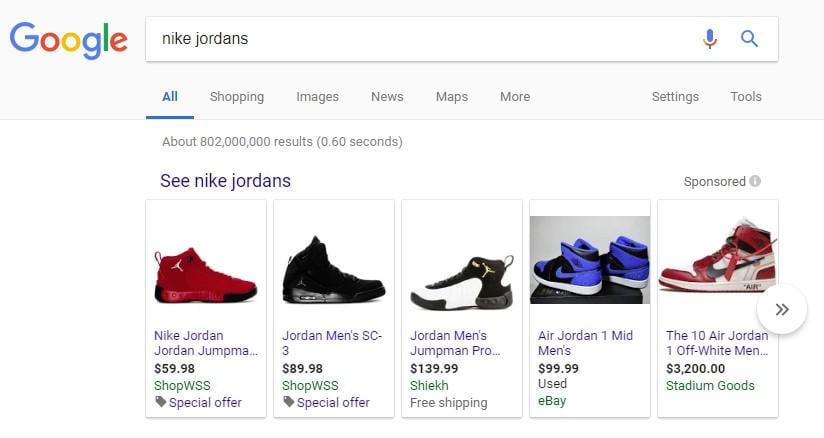
Gil Gildner, co-founder of search marketing company Discosloth, highlights narrowly targeted Shopping ads as a highly effective method. He states they are “one of the easiest and most cost-effective [ways] of getting more product sales for an ecommerce company.” This effectiveness comes from pre-qualifying potential customers by showcasing the product image and price upfront, ensuring advertisers receive highly targeted clicks. He adds, “This is extremely easy to implement on platforms like Shopify or WooCommerce.” The results speak for themselves. Nikki Bisel, founder of digital marketing consultancy and agency Seafoam Media, shares that Google Shopping campaigns have generated up to a 200% increase in both conversion rate and click-through rate (CTR). This success stems from targeting consumers who have already engaged with a brand, such as adding items to their cart or browsing product categories. She notes, “In narrowing our audience, we see a drop in overall clicks, but a huge uptick in CTR and conversions—a win-win-win situation in terms of budget and ROI.”
Explore Google showcase shopping ads
Ruba Aramouny, owner and strategic director of Solid Marketing, suggests exploring Google’s showcase shopping ads. This feature, which allows advertisers to group similar products together, can be a valuable tool for attracting top-of-funnel traffic at a reduced cost. It helps introduce a brand to users searching with broader product terms.

Aramouny explains, “What makes Showcase ads so interesting is that you can bid lower than you typically would on a traditional Shopping ad, while showing prospects a wide variety of products and images.” She adds, “Even if a prospect doesn’t immediately make a purchase on your store, you’ve familiarized them with your brand and can build a warm audience to remarket to at a lower cost.”
2. Incorporate structured data markup
Kent Lewis, president and founder of digital marketing agency Anvil Media, emphasizes the importance of incorporating structured data markup, also known as schema, into the backend of product pages. This helps search engines accurately index these pages. Because it simplifies the process for search engines to understand the information on a page, there is potential for improved rankings. Beth Kearsley, operations assistant at search marketing agency Tao Digital, adds, “By adding rich snippets, you help Google put your products in front of the right people for the right search terms.”
3. Optimize for voice search
Olga Mykhoparkina, CMO of team chat platform Chanty, predicts voice search will be a dominant trend in ecommerce marketing strategies for 2020. She explains, “As more buyers are using voice to search for products, brands that optimize their content for these search terms will have the upper hand in grabbing organic traffic from search engines.” While the lack of tools for analyzing popular voice search terms presents a challenge, Mykhoparkina believes 2020 will mark the year content and SEO strategies begin to adapt to voice search. She adds, “For ecommerce and local-based companies, this will be the ideal opportunity to capitalize on long-tail keywords without unnaturally stuffing them into their content.” For brands hesitant about voice technology, John Frigo, digital marketing lead at MySupplementStore.com, suggests SMS and push notifications as an alternative. These channels boast high open rates, and with fewer marketers utilizing them, brands can stand out.

Image source Frigo explains, “Whereas everyone is coming at people in email, Google search and social, people aren’t being inundated with marketing messages via text or push.” He adds, “SMS is great in that you get right in front of someone and also most people don’t know how to turn it off.”
4. Prioritize site speed
Kearsley emphasizes the need for ecommerce brands to ensure their websites are top-notch. This includes focusing on elements like site speed, header tags, and interactive media.
She points out, “Getting these right will greatly increase your site’s visibility and click-through rates.”
Clark Covington, marketing manager at Jelly Bean Rubber Mulch, agrees that improvements in website load speed yield positive outcomes. This includes enhanced performance of the brand’s online ecommerce page.
Covington explains, “Specifically, we found that when website load speed increases Google will rank pages higher in search results for relative keywords by increasing our page speed score in our paid Google Ads account.” He further notes, “Most striking of all, we found a Google study showing a 90% increase in bounce rate when load speed goes from 1 to 5 seconds.”
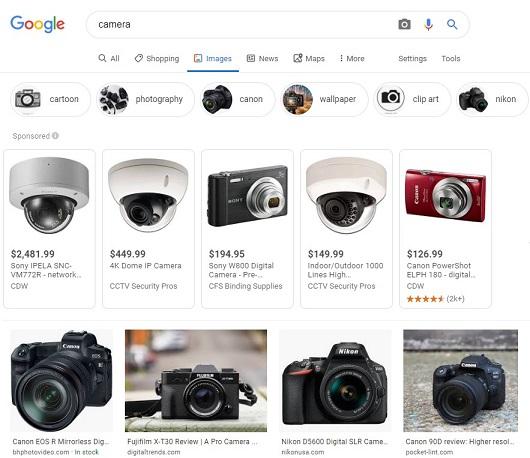
Lewis also advises optimizing images specifically for commerce, highlighting the significance of Google Images as the second-largest search engine in terms of volume.
He states, “Optimizing your product images with alt text is essential to ensuring they rank in product-related images searches.” He further emphasizes, “The images link to the product pages where interested parties can purchase [them] easily.”
5. Create (relevant) videos
Jeff Neal, who collaborates with the online marketplace The Critter Depot, suggests that successful ecommerce brands in 2020 will focus on creating YouTube channels with videos that address the specific questions of their target audience. Sharing his experience, Neal says, “We sell live feeder insects to reptile owners through the mail.” He adds, “So we created a handful of videos that we posted on our product pages that discuss how to breed crickets, how to store your crickets and superworms and what it’s like to unbox them.”
What were the outcomes? Neal states, “These videos have done a nice job increasing our on-page time by over a minute per page.” He concludes, “So we’re pushing forward and creating more videos for our top-converting pages.” Matthew Ross, COO of mattress review website The Slumber Yard, agrees that YouTube can be a powerful driver of traffic and revenue. He attributes this to Google’s tendency to organically rank relevant videos higher on the first search results page. This makes it a more cost-effective approach compared to PPC, as demonstrated by The Slumber Yard’s achievement of 2 million views last year. He adds, “All in all, this strategy has easily saved us hundreds of thousands of dollars that we otherwise would have spent on digital ads.”
6. Leverage UGC and influencer marketing
Prafull Sharma, CEO of content marketing agency LeadsPanda, advises brands to encourage their followers to generate their own content in exchange for incentives. This approach, similar to email signups, can boost engagement and conversions, and foster trust within the brand’s online community. Camera brand GoPro serves as an excellent example, with its YouTube channel boasting nearly 8 million subscribers and a wealth of high-quality videos created by customers.
Sharma explains, “Customers are featured on their channel and GoPro gains content—an exchange that builds a relationship between the audience and the brand.” This effectiveness stems from the fact that user-generated content (UGC) is perceived as more trustworthy than brand-created content. Sharma elaborates, “[User-generated] content, like reviews and testimonials in the form of photos or videos and published both on the brand’s social media platforms and ecommerce site, seems more believable for customers, knowing that the brand is not only selling with their own produced content.” UGC from micro-influencers can further enhance the authenticity and credibility that some high-profile influencers may have lost. Sarah Donawerth, content manager at influencer marketing platform Carro, references data from the Digital Marketing Institute, stating that 49% of consumers depend on influencer recommendations when making purchasing decisions. This highlights influencer marketing as a straightforward method for creating reliable content that resonates with potential customers. Meaghan Brophy, senior retail analyst at small business resource Fit Small Business, observes, “Normally when we think of influencers, we think of a Kardashian-level celebrity with millions of followers.” She adds, “However, accounts with smaller, yet more engaged, followers provide businesses with higher conversions for a smaller price.”
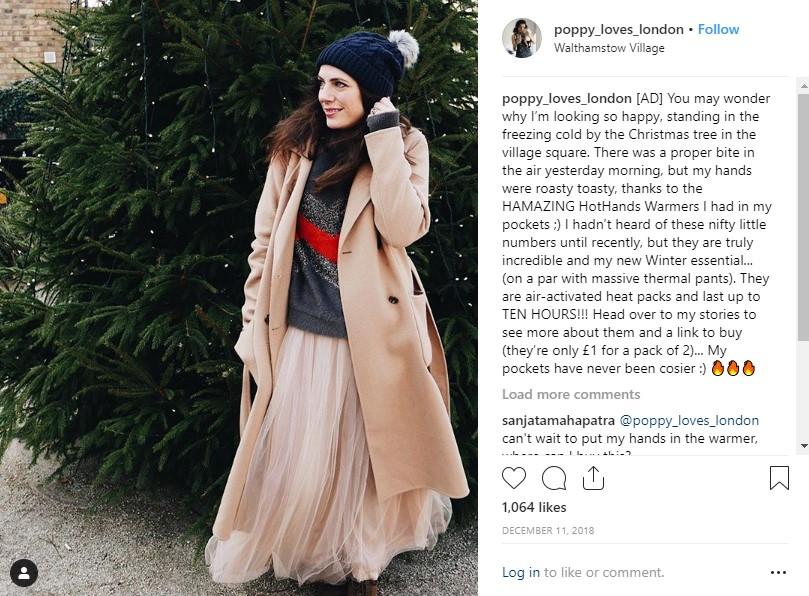
Image source Brands searching for micro-influencers can start by exploring hashtags and interests aligned with their products. Monitoring the types of content posted and the engagement they generate is key. Polly Kay, senior marketing manager at window treatment company English Blinds, comments on the challenge for ecommerce businesses in incorporating UGC into their marketing approach. She states, “The challenge for ecommerce businesses in terms of integrating UGC into their marketing strategy is how to achieve this organically without crossing the line into sponsorship and identifying and incentivizing sufficient users to make a worthwhile effort.” Donawerth advises that after inviting potential partners for collaborations, brands should send their products for content creators to test. This allows them to provide genuine recommendations of suitable products to their respective audiences.
7. Explore filters and QR codes
Sneh Ratna Choudhary, content marketer at proximity marketing company Beaconstac, highlights the potential of filters on social platforms like Snapchat and Instagram to create unique shopping experiences for ecommerce brands. She cites examples like denim brand Levi’s, which enabled Snapchat users to scan in-store QR codes to virtually try on a jacket they could then purchase online, and Kylie Jenner’s makeup brand Kylie Cosmetics, which leveraged Instagram filters to let users visualize how her new lipsticks would look. QR codes in print advertisements offer another avenue for consumers to easily access advertisers’ websites. Choudhary explains, “These QR Codes are usually dynamic which allows users to unlock new offers at different times of the day.” She illustrates this with an example, “Amazon sent a toy catalog to millions of its customers last November that contained QR codes that allowed parents to shop for toys for their kids seamlessly. This served them well given the vacuum that was created once Toys R Us was shut down.”
8. Embrace social shopping
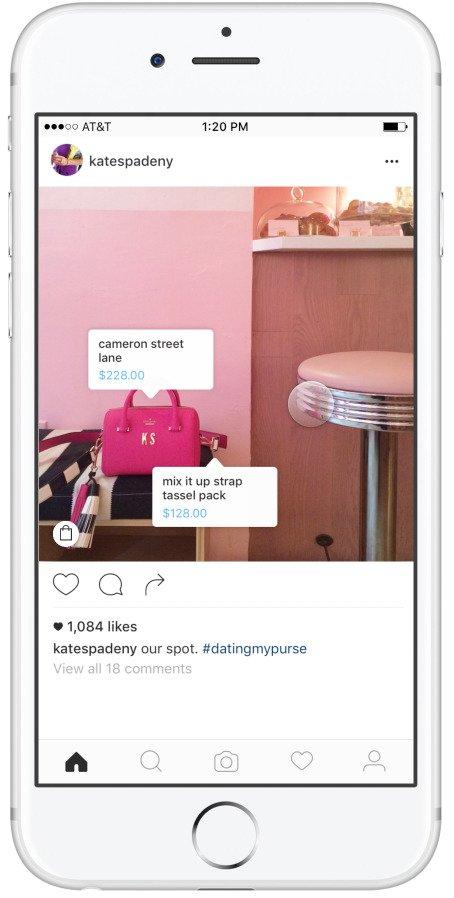
Aalap Shah, founder of Amazon/ecommerce-focused agency 1o8, suggests considering social commerce platform CommentSold. He remarks, “I’m finding for my apparel and beauty clients in particular that this tool creates an effective new sales channel to drive directly into Shopify or owned e-comm sites and stores.” He adds, “Social selling in itself is not new, but the tools to create momentum and ease [through automated invoicing, sales analytics, customer data and inventory and order management] are getting better and better.”
9. Send personalized emails
Email marketing, particularly personalized campaigns, remains a timeless and effective strategy to help keep customers coming back.
To encourage signups, brands can consider offering incentives like coupons and free trials.
Bernard Wong, digital marketer for ecommerce site Vape Club, shares that this tactic has enabled the online e-liquid store to build an email list of over 45,000 subscribers in the U.K. He adds that customers using the Shopify ecommerce platform can easily implement this strategy by utilizing apps like Woohoo from the Shopify App Store.
Tom Buchok, founder of email monitoring firm Mailcharts, cautions brands to be mindful of the tone, subject lines, and clickbait-y language in their emails to customers and leads. These elements can trigger spam filters.
Tanya Yablonskaya, an ecommerce industry analyst at software development firm ScienceSoft, underscores the importance of personalization in email marketing for ecommerce brands. Personalization involves researching a customer’s purchasing behavior and customizing their interactions accordingly.
There are two primary methods for achieving this: recommending products and offering targeted promotions during a customer’s online journey, and sending personalized follow-up emails.
Yablonskaya observes, “Of course, excellence in the art of personalization comes with practice: the more you experiment and track the success of your tries, the more understanding of your customers you gain and can talk to them more effectively thereafter.”
Brophy suggests leveraging personalization in emails to retarget customers who have abandoned their carts.

She states, “[These] emails alone … remind shoppers of left-behind items can have a big impact on sales.” She adds, “However, the most effective emails are personalized to include the shopper’s name and a special offer or call-out to a previous purchase or browsing history.”
10. Create newsletters and blog content
Having a robust content strategy is crucial. Calloway Cook, president of dietary supplement company Illuminate Labs, recommends guest blogging as a valuable and cost-efficient approach for 2020. He advises utilizing tools like the MozBar browser extension to determine the domain authority of websites and suggests reaching out only to those with a domain authority exceeding 40. Cook explains, “It’s a proven way to get high-quality backlinks pointed to your homepage and increase your site’s domain authority [and thereby increase your site’s organic rankings].” Gildner echoes this sentiment, emphasizing that well-crafted long-form blog posts with informative guides can significantly boost organic SEO, potentially doubling or even tripling it within a year. Andrea Loubier, CEO of desktop email client Mailbird, highlights that high-quality content provides both potential and existing customers with a reason to engage with an ecommerce site. This content should offer valuable information, potentially positioning the brand as a thought leader in a specific area. This, in turn, strengthens the rationale for potential customers to choose that brand for their purchases. Loubier notes, “All content marketing strategies are different, especially dependent on the niche.” She elaborates, “But all of the best are comprised of several different methods, incorporating newsletters, emails, social media, and link building. Consider your content as a free offer to potential or existing clients, which can be used as a tool to create new purchases and other additional sources of revenue.”
11. Offer coupons
Unsurprisingly, Sara McQueen, digital PR executive at content marketing agency Fractl, reveals that their client Shopper.com, a platform that automatically applies discount codes for users at checkout, has found coupons to be a winning strategy. This success is partly attributed to the fact that almost one-third of shoppers actively seek out discount codes for nearly every online purchase, a trend projected to rise in the coming year.
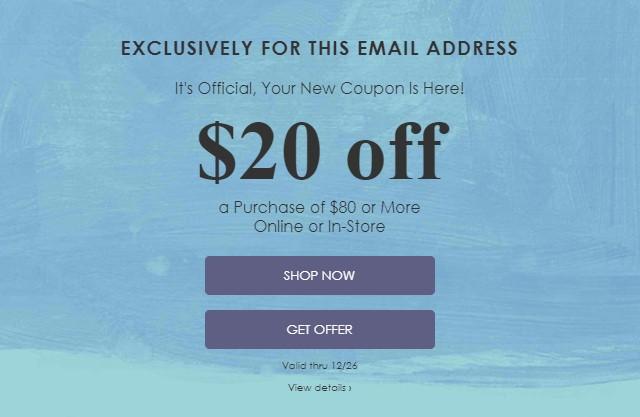
However, McQueen shares insights from Shopper.com’s interviews with 1,000 customers across the U.S. and U.K. The findings indicate that consumers feel three times more empowered when they discover coupons through online searches compared to receiving them directly. Furthermore, McQueen notes that one in three consumers would be frustrated if a retailer didn’t inform them about potential savings, and three in five would request a refund if they realized they had missed a discount after making a purchase.
12. Utilize data and automation to connect touchpoints
While using customer data is a given, George Afouxenidis, digital marketing content writer at bulk SMS service Routee, emphasizes the importance of connecting touchpoints to create a seamless customer journey. He elaborates, “Following the behavioral patterns of your website visitors can help you build progressive profiles that enable personalized communications and lead to higher conversion rates.” He further states, “Through a capable marketing automation platform such valuable generated data as the touchpoints of customers on ecommerce sites and brick-and-mortar stores allow for deeper segmentation of your individual visitors.” With segmented data, brands can craft highly personalized messages with a greater likelihood of conversion. He illustrates this with the success story of a clothing retailer in Greece that boosted online sales and foot traffic to its flagship store by over 35% in a month. Afouxenidis explains, “Sending appropriately timed campaigns during the summer holiday season, customers were alerted just before their weekend escapades of offers on swimsuits, suntan lotions and beach accessories.”

Example of a seasonal email from Bloomsbury Academic. This campaign extended to the ecommerce site and followed the customer journey. Afouxenidis adds, “Through an automated segmentation process, audiences who expressed interest on beachwear and other holiday accessories were also targeted for offers that matched their preferences, geographic location and demographic characteristics.” He concludes, “The results were nothing short of spectacular. These carefully targeted campaigns managed to stir the interest of casual shoppers and returning customers, who then proceeded to buy season-appropriate goods when least expected, during their weekday breaks from work.”
Test and optimize your ecommerce marketing strategies
Remember, the most effective way to determine what works for your specific audience is through testing. Implement these expert-recommended marketing strategies, continuously analyze the results, and refine your approach. By doing so, you can strengthen your ecommerce funnel and drive sales growth in 2020!