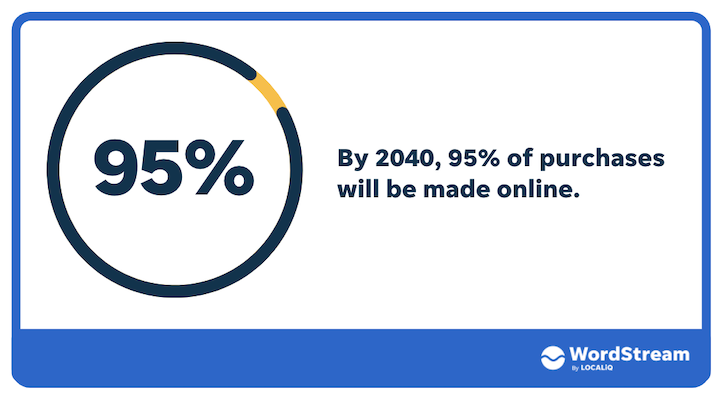
Since the pandemic began, 25% of physical stores have created online shops. It’s estimated that by 2040, 95% of all shopping will occur online.
The takeaway? Ecommerce is the future, and businesses that want to thrive must adapt to new trends and technologies. What are the current trends? Continue reading to discover the ecommerce website and marketing trends to follow this year.
2022 Ecommerce Website Trends
Considering the ecommerce statistics discussed earlier, a top-notch ecommerce site should be a top priority for businesses aiming to boost online sales. Let’s examine some successful ecommerce website strategies and features used by businesses in 2022.
1. Buy Now Pay Later
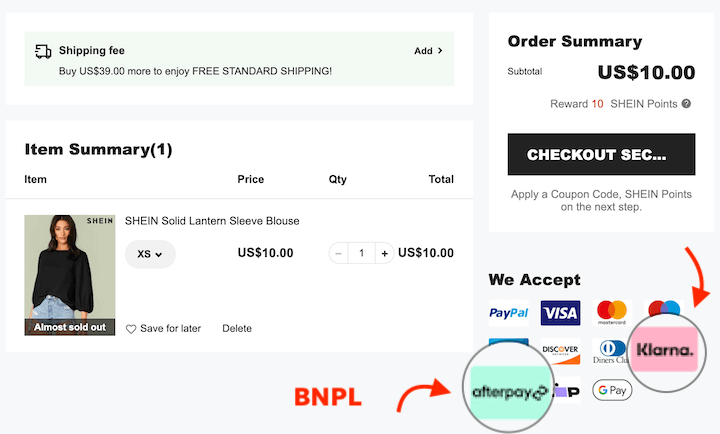
As reported by Adobe’s 2021 Digital Economy Index, buy now pay later (BNPL) choices surged by 166% year over year in March 2021. Companies like Klarna and Square have flourished, with their ads frequently appearing on YouTube. This CNBC article suggests that BNPL has been primarily fueled by young consumers.
2. Conversion Rate Optimization
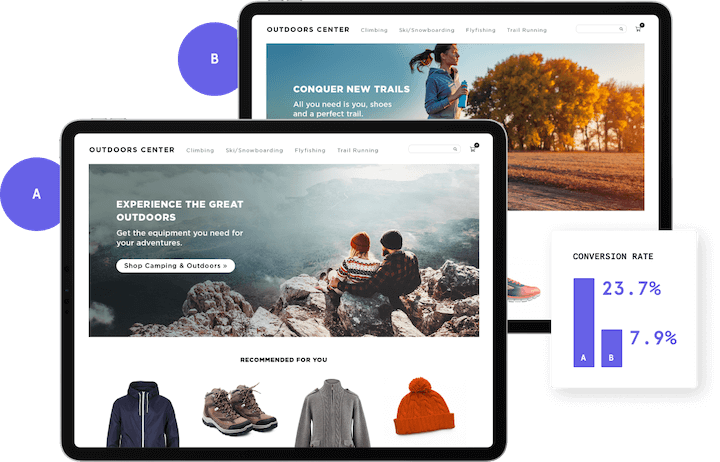
This trend remains perpetually relevant. For many websites, the key to attracting more customers isn’t necessarily increasing traffic, but rather converting more of the existing traffic. That’s where conversion rate optimization (CRO) comes in. As UX technology becomes more accessible, consumer expectations for our websites also increase. While ecommerce SEO remains crucial, certain businesses would benefit from diverting some of their traffic-driving budget to efforts that enhance conversion rates. This can include incorporating more calls to action, conducting A/B testing on elements, and improving page speed. Moreover, a faster page speed enhances Core Web Vitals—a significant 2022 SEO trend across all businesses and industries.
3. Serverless Architecture
As ecommerce expands, websites will continually seek solutions to handle demand surges. With serverless architecture (such as AWS Lambda), the cloud provider dynamically allocates resources, enabling elastic scalability without the need to provision or manage physical servers. This technology has demonstrated its effectiveness in other sectors, so it’s only natural for ecommerce websites to embrace this adaptable option. The advantages are evident: no downtime due to scaling issues, significantly reduced costs (eliminating the need for extra servers), and simplified debugging from a centralized point for developers, among other benefits.
4. Headless CMS
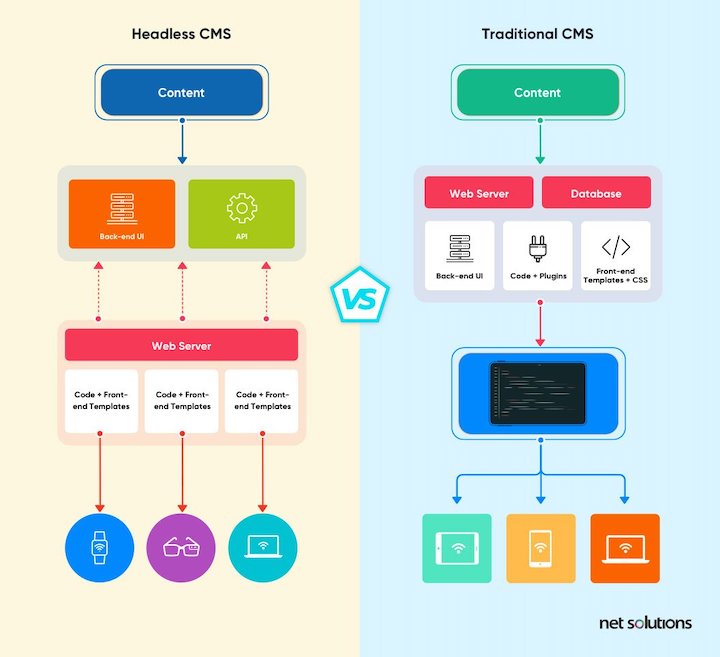
Headless technology eliminates elements like page templates, backend code, and other bulky components that can hinder a website’s speed. Given the ever-increasing consumer expectations, the headless approach empowers businesses to swiftly enhance their platform’s performance. Consequently, they can effectively manage traffic peaks or sales surges without the need to create new pages or allocate unnecessary resources to deliver an optimized user experience.
5. Conversational Commerce
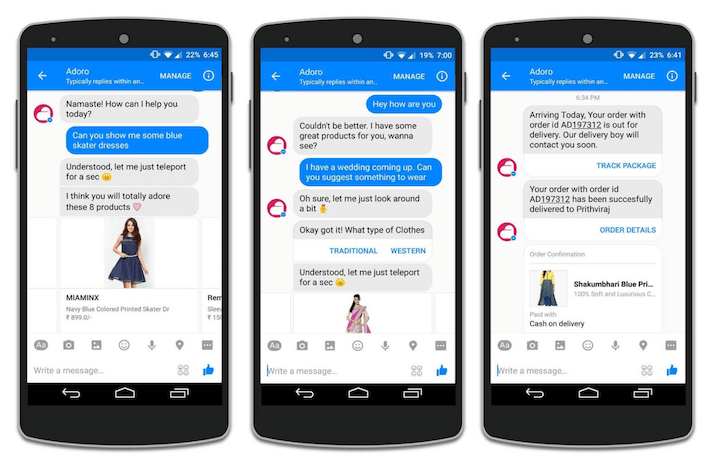
Chatbots boost customer engagement, personalize experiences, and offer quicker support. You can use them to address frequently asked questions, recommend products, direct leads, or share announcements. Direct sales through chatbots are also gaining traction: roughly 60% of millennials purchase everyday goods like food and clothing using conversational software. [
](https://www.yotpo.com/blog/conversational-commerce/) Image source
Ecommerce Marketing Trends for 2022
Each year brings new strategies, yet there’s often an overlap in ecommerce marketing trends from year to year. Here’s a blend of new and developing trends to leverage.
6. Shoppable Live Streams
More and more users prefer engaging with products through video rather than static images. 2022 will see a greater emphasis on crafting videos that offer a personalized experience while showcasing your products or services. Remember the good old days of home shopping channels? They’ve made a comeback, particularly through streaming platforms like YouTube, Facebook Live, and Switch. The concept remains largely unchanged—except the presenter is now an influencer. It’s unedited, allowing real-time interaction between the host and the audience. While it boomed during the pandemic as a safer shopping alternative, it shows no signs of fading away. In November 2021 alone, Moriarty’s generated $30,000 through its livestream show.

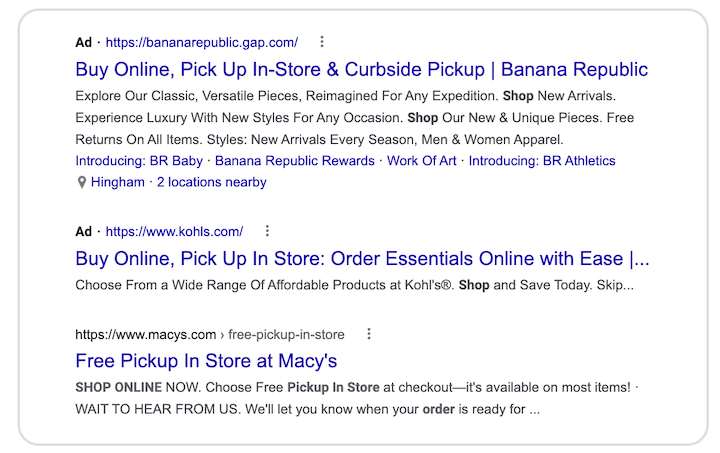
7. Buy Online, Pick Up In-Store (BOPIS)
This trend, also known as click and collect, experienced a surge 208% at the height of the pandemic. This convenient shopping method will maintain its relevance.
- 75% of shoppers who have used BOPIS plan to continue using these services post-pandemic.
- 85% of BOPIS users admit to making unplanned purchases in-store when collecting online orders.
- An HBR study revealed that one company’s sales declined by over 5% when a competitor introduced a BOPIS service.
8. Virtual Payment Methods
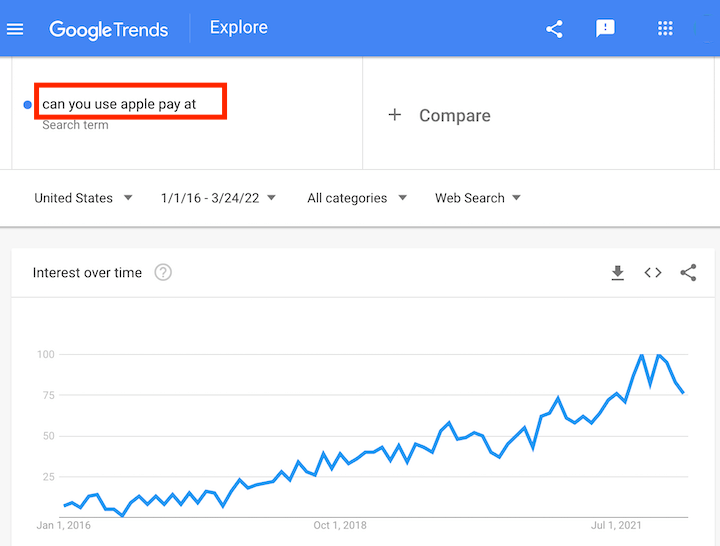
Cryptocurrencies gained immense popularity last year, and this upward trajectory is expected to continue—albeit after overcoming certain obstacles. These currencies (like Bitcoin and Ethereum) lack the widespread brand recognition needed for mass adoption. However, their prevalence will increase as people gain a better understanding of how cryptocurrencies function. While not suitable for every business, those that do adopt them could gain a competitive advantage through lower fees and faster payment processing times. Mobile payments have also experienced substantial growth. According to Statista, the number of Global iPhone users who activated Apple Pay increased by over 65 million in 2020, and Android Pay usage is also on the rise. Mobile payments now represent a third of digital transactions, and this figure is projected to grow as alternative methods like Bitcoin gain further traction.
9. B2B Ecommerce
The boundaries between B2C and B2B marketing are becoming less defined. The global B2B ecommerce market is projected to reach $256 trillion by 2028. This can be attributed to technological advancements and subsequent cost reductions, as well as the pressure these companies face to remain competitive—with online sales growth emerging as a popular option. As ecommerce tools for small and local businesses become more readily available, more B2B companies, both big and small, will shift online or establish an ecommerce revenue stream.
10. Augmented Reality
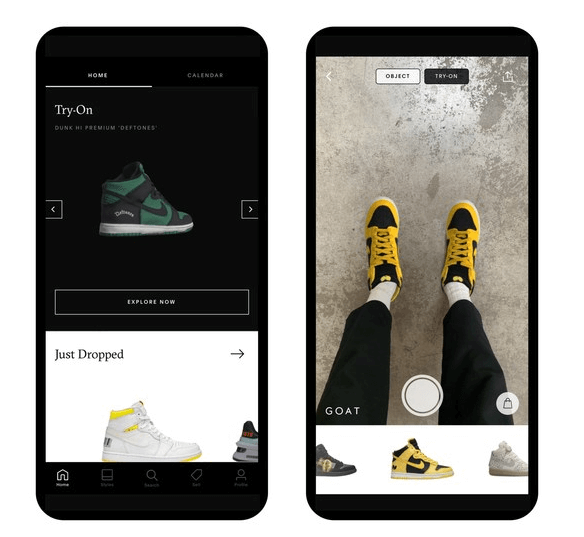
Augmented reality (AR) and virtual reality (VR) are poised for a significant year, extending beyond the ecommerce realm! In fact, analysts predicts that the AR market will hit $198 billion by 2025. That’s substantial! AR holds great potential for ecommerce because it can create an immersive and engaging customer experience. For instance, customers can virtually try on clothes or accessories from the comfort of their homes or visualize how furniture would look in their living spaces before committing to a purchase. This trend is definitely one to watch. [
](https://techsee.me/blog/augmented-reality-use-cases/) Image source
11. Omnichannel Experience
The omnichannel experience is emerging as a major trend for 2022. Customers expect a seamless transition across various devices and platforms while shopping. If they start a purchase on their phone, they should be able to complete it on their laptop without any hiccups. Companies that fail to meet this expectation will lose out.
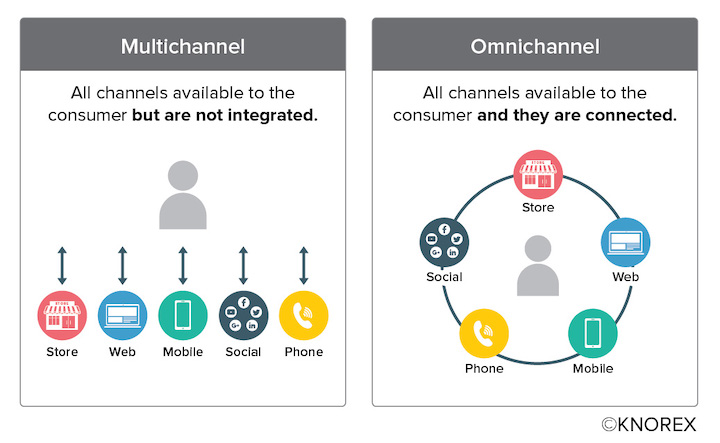 Image source
Customers value the ability to utilize multiple channels while shopping. This makes perfect sense considering how we interact with technology today: frequently switching between devices throughout the day. Naturally, we desire a shopping experience that reflects this behavior.
Furthermore, according to one study, customers who engaged with four or more channels spent an average of 9% more in-store compared to those who used only one channel.
Image source
Customers value the ability to utilize multiple channels while shopping. This makes perfect sense considering how we interact with technology today: frequently switching between devices throughout the day. Naturally, we desire a shopping experience that reflects this behavior.
Furthermore, according to one study, customers who engaged with four or more channels spent an average of 9% more in-store compared to those who used only one channel.
Embracing These Ecommerce Marketing Trends
We’re spending more money online than ever, making it crucial for ecommerce sites to optimize performance and for traditional businesses to integrate ecommerce into their overall strategies. Use these ecommerce website and marketing trends as a roadmap to guide the growth of your business this year and beyond:
- Buy now, pay later
- Headless CMS
- Conversion rate optimization
- Serverless architecture
- Conversational commerce
- Buy online, pick up in-store
- Virtual payment options
- Shoppable live streams
- B2B ecommerce
- Augmented and virtual reality
- Omnichannel experience