The internet is full of articles explaining how to attract visitors to your website. From online ads and search engine optimization to influencer partnerships and brand building, countless strategies exist to generate traffic.
However, simply getting people to your site isn’t enough. You also need content that keeps them engaged and encourages them to take action. For any online business, the ultimate measure of success is conversions.
Let’s explore how you can boost your bottom line.
Why aren’t visitors converting on my site?
Numerous factors can hinder website conversions. Explore these top 10 reasons why your site might be preventing conversions and start implementing improvements today.
1. Prioritizing aesthetics over objectives
A visually appealing site with the latest features might look impressive, but if it doesn’t help visitors research or make purchases, it only benefits your company, not your customers. For a long time, websites were primarily the domain of designers and creatives. But in today’s competitive landscape, that’s not enough.
To stay ahead, you need to prioritize understanding and aligning your website to the goals of your consumers. Otherwise, your audience will find someone who will. Simply following design trends won’t get you far. Aligning with your customers’ goals will.

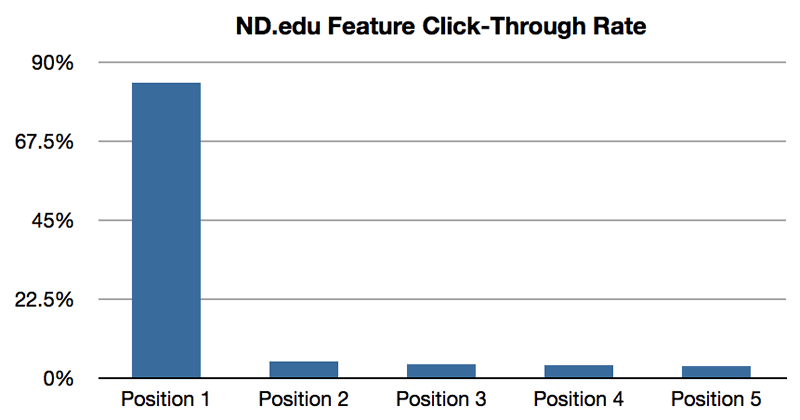
Website carousels exemplify a popular feature that, unfortunately, data reveals to be ineffective. While popular among web designers, they fall short with users:
2. Lack of clarity regarding your value proposition
What value do you offer visitors, and is it clearly communicated on your website? Many websites present vague or convoluted value propositions, if they even have one at all.
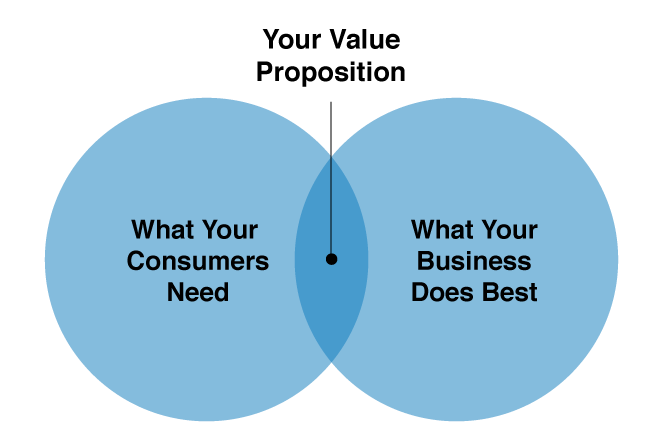
What are the specific biggest pains that your target audience faces, and how does your solution address them? Without clear answers, you risk losing potential customers. Learn more about creating a compelling unique selling proposition here.
3. Relying on guesswork instead of data
You can’t improve what you don’t measure. Two common problems in this area are either not tracking your website activity at all or neglecting to analyze the results.
Many understand the importance of measurement but struggle to identify relevant metrics or understand what to take away from the data. Begin with your goals. What are your business objectives, and what constitutes success? Work backward to pinpoint key metrics and strategies that will help you achieve those objectives.

From there, focus on improving these numbers, regularly reviewing the data to see what works and what doesn’t. This allows you to adapt and optimize your efforts. (Consider using the Ladder of Improvement method.)
4. Neglecting customer feedback
Many businesses approach website development with an outdated marketing mindset, treating their website as a one-way communication channel like a billboard instead of a dynamic, interactive platform like a retail store. However, times have changed.
Today, customers hold the power. If your site doesn’t cater to their needs from the get-go, they’ll go elsewhere. When visitors encounter frustrations on your site, their only options are to leave or contact customer service. Consequently, your customer service team becomes a valuable source of feedback.

Are you leveraging customer service feedback for your website? Start by asking your customer support team this list of 9 simple questions regularly. Customer service acts as the listening post for your business. Encourage their input and be prepared to listen.
5. Overwhelming pages with excessive options
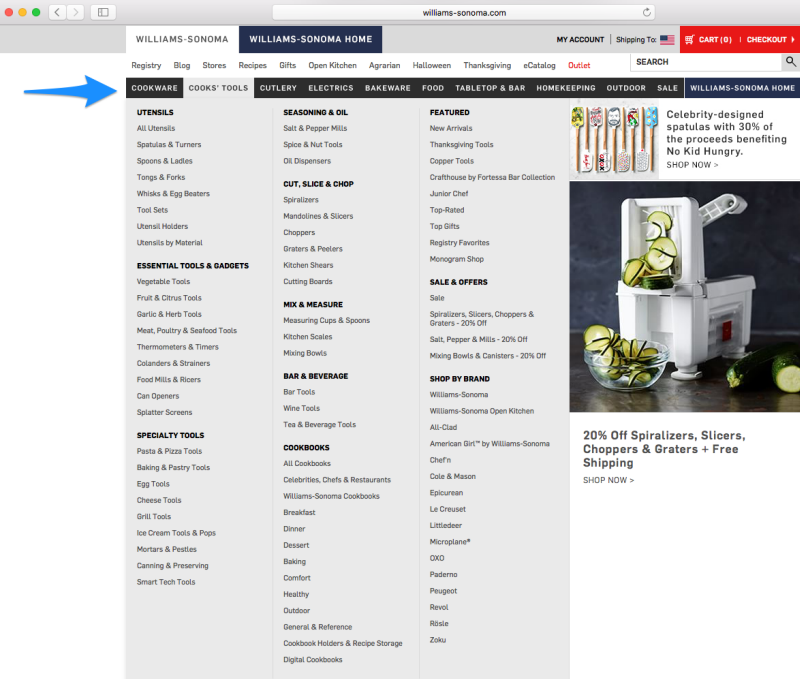
Analysis paralysis doesn’t just happen when trying to order from a crowded lunch menu. It also occurs on websites. Each page on your site should have a single, well-defined goal.
If you have multiple primary calls-to-action on a single page, you’re trying to do too much. Divide complex pages into simpler, more easily navigable pages.
This example illustrates offering visitors too many choices. What’s the goal of this page?
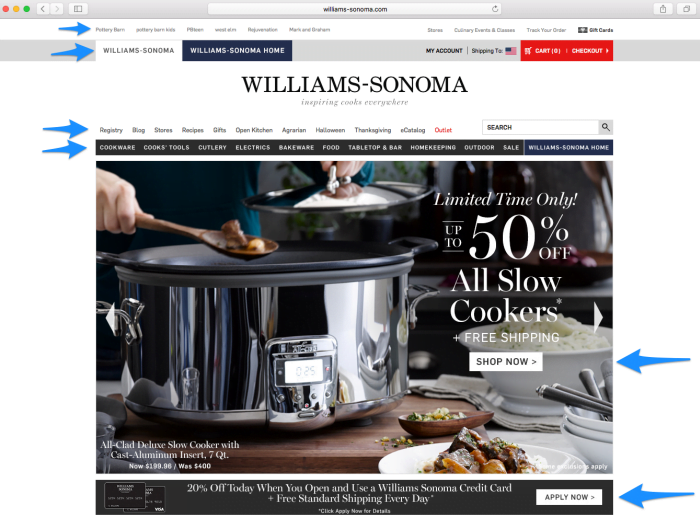
Hovering over the menus only exacerbates the issue, making the overload even worse.
6. Confusing or frustrating your visitors
Unclear or confusing navigation and pathways will drive visitors away. A user-friendly website architecture, effective search functionality, and concise copy significantly impact user experience.
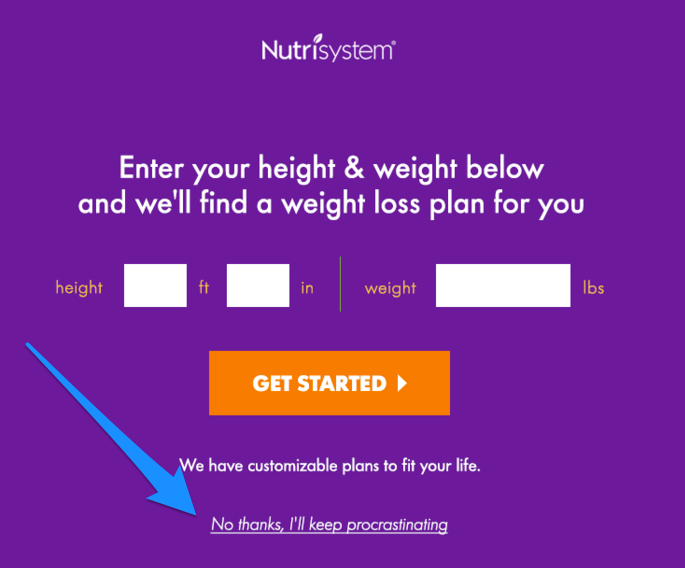
Homepage pop-ups are a common culprit. While marketers love them, research continues to show confirms that visitors despise them. Why greet your visitors with an annoying experience? Worse yet, why risk confirm shame a potential customer?
7. Neglecting A/B testing
Every business and its customer base is unique. While best practices provide a solid foundation, they shouldn’t be your only guide.
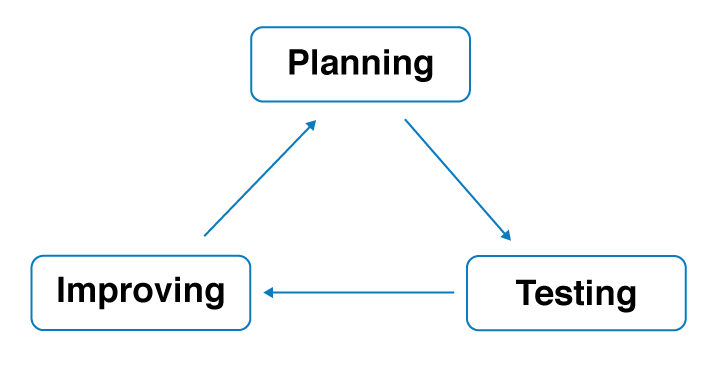
A robust testing process is crucial for transforming your website from average to exceptional. Numerous tools can help you test various aspects of your site. We highly recommend Hotjar, VWO, Optimizely, Google Analytics, and UserTesting.
8. Excessive branding and jargon
Unless you’re Nike, your website visitors typically have two primary goals: to research or to purchase. If your branding or unclear jargon hinders their ability to achieve those goals, they’ll look elsewhere. (If your copy focuses on leveraging solutions for scalable outside-the-box synergies, it’s time to simplify your language.)

Branded experience
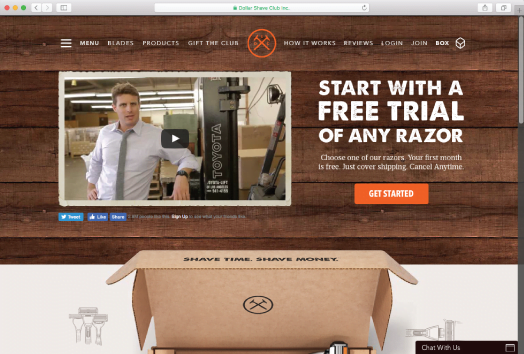
Helpful experience Your website should resemble a positive in-store experience: easy-to-find products, helpful customer service, and an overall pleasant journey. Take inspiration from Dollar Shave Club’s homepage—a clear value proposition and an engaging explainer video.
9. Failing to address objections
What common concerns or hesitations do visitors have when engaging with your brand?
- Lack of clarity about your product or service?
- Desire for more detailed information?
- Questions about pricing?
- Need for comparisons with competitors? Address their primary concerns clearly and directly. Several methods can help you identify these concerns:
- Discussions with sales and customer service teams
- Utilizing online chat interactions
- Analyzing customer reviews
- Monitoring social media platforms like Twitter
- Conducting customer surveys
- Implementing user tests Provide answers within your website copy, descriptions, FAQs, and throughout your site.
10. Lack of trustworthiness
If visitors are unfamiliar with your brand, building trust is paramount. Utilize tactics such as incorporating reviews, testimonials, case studies, relevant press mentions, and more.
For online businesses, demonstrating website security and trustworthiness is crucial, especially when selling products or services. This can be achieved through trust icons.

Don’t Stop Now
These 10 reasons are just the tip of the iceberg when it comes to improving website conversions. However, even small changes can have a significant impact. By focusing on improvements in each of these areas, you’ll be well on your way to boosting conversions and driving business growth.