In the world of science fiction, the future often appears as a dismal and frightening dystopia dominated by dangerous, self-aware robots. The good news is that only one of these predictions holds true, but this might change soon, as the doomsayers are so fond of telling us.
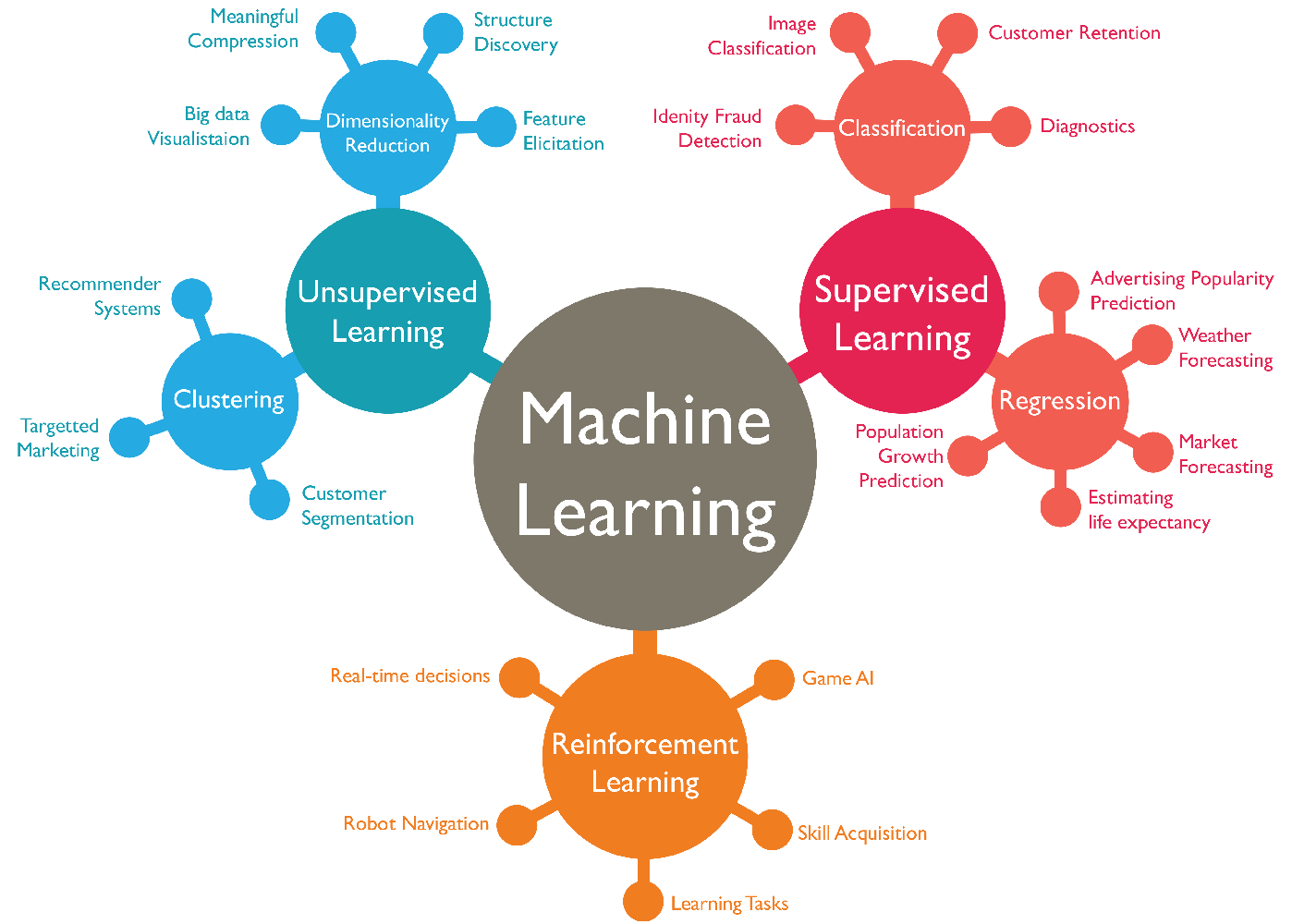
Image via Abdul Rahid Artificial intelligence and machine learning are revolutionizing technology. Machine learning, in particular, has the potential to dramatically change our lives, though many of its applications remain hidden from view. Interested in seeing practical examples of machine learning? We’ll explore 10 companies leveraging the power of machine learning in innovative and exciting ways, offering a glimpse into its future.
1. Yelp – Managing Images on a Massive Scale
Who hasn’t tried a new restaurant and then rushed online to share their experience, good or bad? This is a key reason for Yelp’s popularity and usefulness. While Yelp might not appear to be a tech company at first, it utilizes machine learning to improve users’ experience. Given the significance of images on Yelp, alongside user reviews, it’s no surprise that Yelp is constantly striving to enhance its image processing capabilities. This is why Yelp turned to machine learning a couple of years ago when it first introduced its picture classification technology. Yelp utilizes machine learning algorithms to streamline the process of compiling, categorizing, and labeling images for its human staff – a considerable accomplishment when handling millions of photos.
2. Pinterest – Enhancing Content Discovery
Whether you’re an avid user or new to the platform, Pinterest holds a unique position in the social media landscape. As Pinterest focuses on curating existing content, it logically invests in technologies that can optimize this process, and this is certainly the case.

In 2015, Pinterest acquired Kosei, a company specializing in the commercial applications of machine learning, particularly in content discovery and recommendation algorithms. Currently, machine learning is integrated into virtually every aspect of Pinterest’s operations, from content moderation and discovery to advertising revenue generation and reducing email newsletter unsubscriptions. An impressive feat.
3. Facebook – An Army of Chatbots
While Facebook Messenger has sparked its fair share of debate (people tend to have strong opinions about messaging apps), it remains one of the most intriguing aspects of the platform. Messenger has essentially become a testing ground for chatbots.

Text conversations with some chatbots are now almost indistinguishable from those with humans. Developers can create and submit their chatbots for inclusion in Facebook Messenger. This empowers businesses of all sizes, even small startups, to leverage chatbots for enhanced customer service and retention. Of course, chatbots aren’t Facebook’s only foray into machine learning. The company uses AI to filter spam and low-quality content, and is also exploring computer vision algorithms that can “read” images to visually impaired people.
4. Twitter – Algorithmically Driven Timelines
Twitter has been embroiled in various controversies recently (including the unpopular decision to round avatars and changes to @ reply tagging), but one of the more debated updates was the move toward an algorithmic feed.

The introduction of algorithmically curated timelines was met with particular disapproval from actor Rob Lowe. Whether you prefer seeing “the best tweets first” (a subjective term) or a more chronologically ordered feed, these changes are driven by Twitter’s machine learning technology. Twitter employs AI to analyze tweets in real time, assigning them a “score” based on various factors. Ultimately, Twitter’s algorithms prioritize tweets deemed most likely to generate engagement. These decisions are personalized; Twitter’s machine learning tailors the selection based on individual user preferences, resulting in the algorithmically curated feeds, which, to be frank, aren’t very popular. (Seriously, does anyone actually prefer the algorithmic feed? Share your thoughts in the comments, you wonderful souls.)
5. Google – Exploring Neural Networks and ‘Machines That Dream’
These days, it’s simpler to list the scientific research areas that Google (or rather, its parent company Alphabet) isn’t involved in, as opposed to summarizing their vast technological ambitions. It’s no secret that Google has been incredibly active, diversifying into fields like anti-aging technology, medical devices, and – most exciting for tech enthusiasts – neural networks. The most prominent example of Google’s neural network research is DeepMind, the “machine that dreams.” This is the same network that created those psychedelic images everybody was talking about a while back. According to Google, they’re exploring “virtually all aspects of machine learning,” which will lead to exciting advancements in what they call “classical algorithms” as well as other areas like natural language processing, language translation, and search ranking and prediction systems.
6. Edgecase – Boosting Ecommerce Conversion Rates
For years, retailers have grappled with bridging the gap between in-store and online shopping experiences. Despite claims of online retail replacing traditional shopping, many ecommerce sites still fall short. Edgecase, previously known as Compare Metrics, aims to change this.

Edgecase believes its machine learning technology can can help ecommerce retailers improve the experience for users. Beyond simply improving ecommerce efficiency to boost conversions, Edgecase also intends to leverage its technology to enhance the experience for shoppers who are browsing with only a general idea of what they’re looking for, by analyzing behaviors and actions that indicate purchase intent – essentially striving to make casual online browsing more rewarding and closer to the in-store experience.
7. Baidu – Pioneering the Future of Voice Search
Google isn’t the only search giant making strides in machine learning. Chinese search engine Baidu is also investing heavily in AI applications.
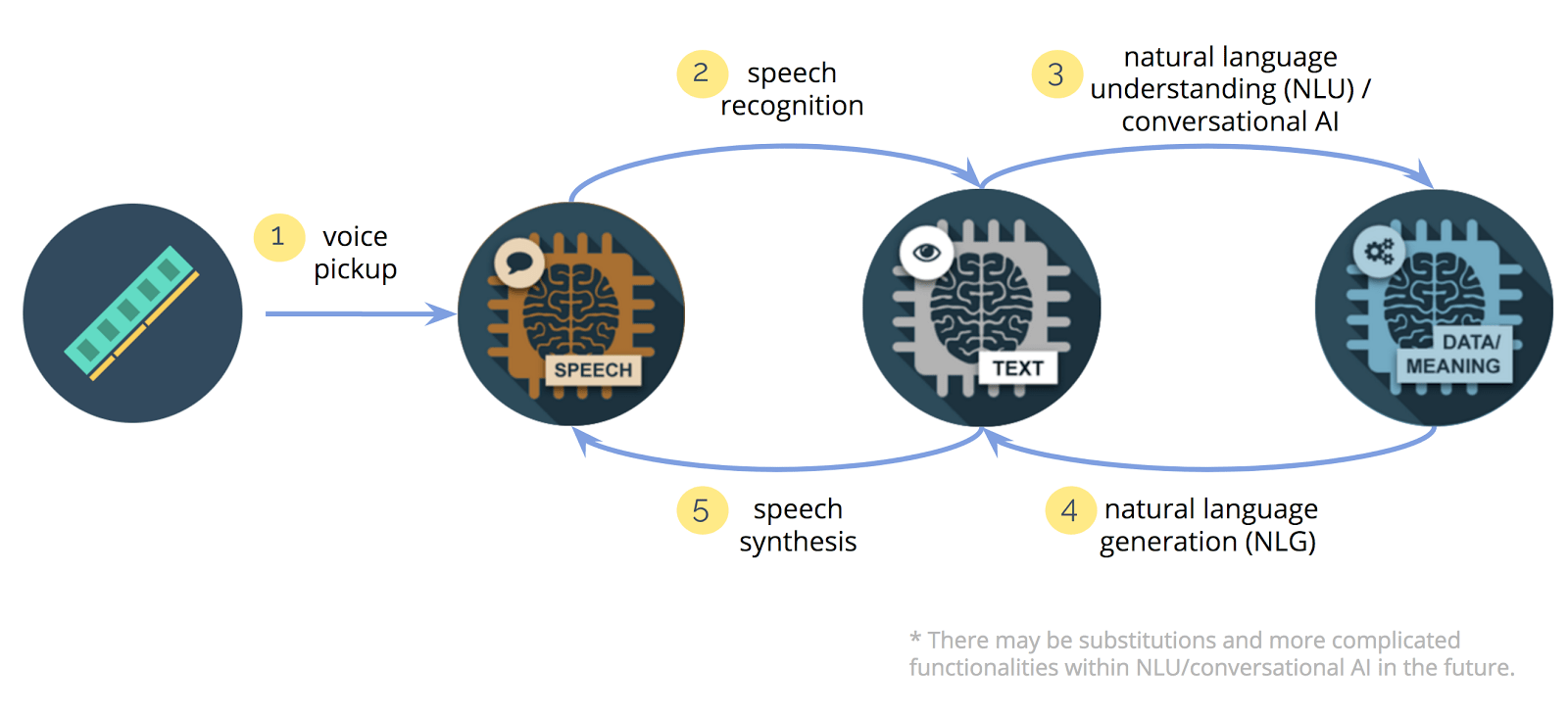
A simplified five-step diagram outlining the crucial stages of a natural language processing system One of the most fascinating (and slightly unnerving) developments from Baidu’s R&D lab is what they call Deep Voice, a sophisticated neural network capable of generating synthetic human voices so realistic that they are hard to distinguish from actual human speech. This network can “learn” the nuances of cadence, accent, pronunciation, and pitch to create eerily accurate recreations of individual voices. Far from being a mere experiment, Deep Voice 2 – the latest iteration of this technology – promises to revolutionize natural language processing, the foundation of voice search and voice recognition systems. This has significant implications for voice search applications, along with numerous other potential uses such as real-time translation and biometric security.
8. HubSpot – Empowering Sales Teams with AI
Those familiar with HubSpot know they’re early adopters of new technologies. They proved this again recently by acquiring machine learning company Kemvi.
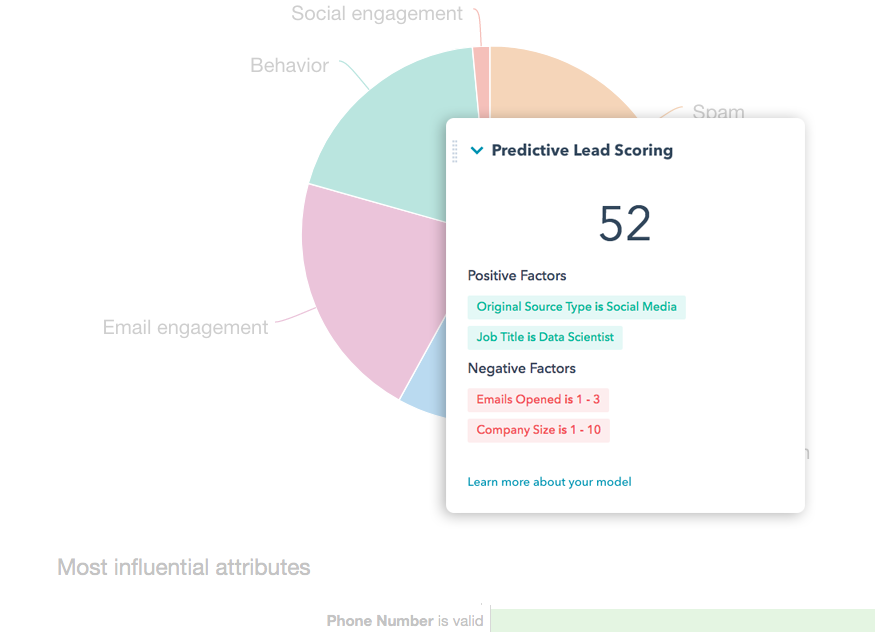
Predictive lead scoring represents just one of the many potential applications of AI and machine learning. HubSpot intends to integrate Kemvi’s technology across various applications, most notably incorporating Kemvi’s DeepGraph machine learning and natural language processing technology into their content management system. This strategic move, according to HubSpot’s Chief Strategy Officer Bradford Coffey, will enable HubSpot to better identify “trigger events” – changes within a company’s structure, management, or any other aspect impacting daily operations. This allows HubSpot to more effectively target potential clients and serve existing customers.
9. IBM – Revolutionizing Healthcare with AI
IBM’s inclusion might seem unexpected considering their status as one of the largest and oldest tech companies, but they’ve successfully transitioned from older business models to new revenue streams. This is best exemplified by their renowned AI, Watson.

An illustrative example of how IBM’s Watson can be utilized to test and validate self-learning behavioral models. While Watson may be a Jeopardy! champion, its achievements extend far beyond game show victories. Watson has been implemented in numerous hospitals and medical centers, demonstrating its ability to provide highly accurate treatment recommendations for certain cancers. Watson also exhibits significant potential in retail, acting as a shopping assistant, as well as in the hospitality industry. Recognizing this potential, IBM now offers its Watson machine learning technology on a licensing basis – a groundbreaking example of an AI application packaged in this manner.
10. Salesforce – Creating Intelligent CRMs
Salesforce is a tech powerhouse, commanding a significant share of the customer relationship management (CRM) market, backed by substantial resources. Lead prediction and scoring are challenges even for experienced digital marketers, which is why Salesforce is heavily invested in its proprietary Einstein machine learning technology.

Salesforce Einstein empowers businesses using Salesforce’s CRM software to analyze every facet of customer interaction – from initial contact to ongoing engagement points. This facilitates the creation of more comprehensive customer profiles and identifies critical moments in the sales process, resulting in more accurate lead scoring, more efficient customer service (leading to increased customer satisfaction), and ultimately, more opportunities.
The Future of Machine Learning
One consequence of rapid technological progress is that we tend to take these advancements for granted. Some machine learning applications discussed here would have seemed like science fiction just a decade ago. The pace at which scientists and researchers are advancing this field is astounding. So, what does the future hold for machine learning?
Machines with Enhanced Learning Capabilities
We can anticipate the emergence of artificial intelligence that learns more effectively, leading to advancements in algorithm treatment, such as AI systems capable of recognizing, modifying, and enhancing their internal architecture with minimal human intervention.
Automated Cyberattack Defense Systems
The rise of cybercrime and ransomware has compelled companies of all sizes to rethink their cybersecurity strategies. AI will play an increasingly significant role in monitoring, preventing, and responding to cyberattacks such as data breaches, DDoS attacks, and other threats.
Increasingly Realistic Generative Models
Generative models, like the one used by Baidu, are already incredibly sophisticated. Soon, distinguishing them from reality will become even more challenging. Advancements in generative modeling will result in even more realistic images, voices, and even entire identities generated entirely by algorithms.
Improved Machine Learning Training Processes
The effectiveness of even the most advanced AI is limited by its training. Currently, machine learning systems often require massive datasets for training. In the future, these systems will require significantly less data to “learn,” resulting in faster learning with smaller datasets.