Beginning a writing task with a blank page can be incredibly daunting. It often leads to procrastination, tempting us to check emails, organize files, or even grab a coffee in hopes of finding focus (though, let’s be honest, those coffee runs rarely work!).
The truth is, whether it’s an email, a blog post, or a catchy tagline, starting to write is a challenge if I don’t have words already on the page. That’s where copywriting tips and exercises come in handy. These exercises act like warm-up stretches, but instead of prepping your body, they prepare your mind for writing. They offer prompts that help you generate ideas or plan your writing, allowing you to focus on your copy before diving into the project. They’re also useful for overcoming writer’s block.

To help you overcome the blank page or revitalize a stagnant project, here are 10 quick and easy copywriting tips and exercises to improve your writing process:
1. Outline the Essentials
Most writing projects come with pre-existing information: a specific medium, topic, and objective. It might involve crafting a Google Ads headline for a dog walking business, drafting Facebook posts for a restaurant, or even writing a blog post about copywriting exercises.
Use this information—the medium, topic, and goal—to guide your initial steps. Consider any word count limits, the platform where the copy will appear (blog, product packaging, social media), and the type of content (blog post, PPC ad, video script). Note these details at the top of your page to keep them front and center.
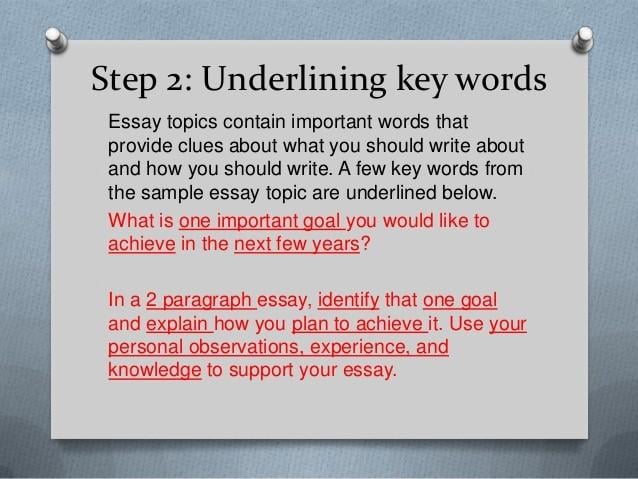
Remember the practice of underlining keywords in school assignments? Apply the same principle here. With this information, you can determine your target audience, the scope of the project, and its purpose. Clearly define and write these down as well. By doing so, you create a well-defined project outline and effectively initiate the copywriting process.
2. Repurpose Content You Admire
One effective method is to draw inspiration from existing content. Think of an ad campaign that resonated with you, a blog post that consistently shines in your portfolio, or a commercial that captivated your attention.
Take these examples and analyze them. Rewrite that impressive ad campaign, adapting it to your company’s context. Identify the strongest element of your blog post (introduction, title, structure) and explore ways to reuse it effectively. Repurpose your favorite commercial, tailoring it to your company’s latest product or service launch.
Remember, rewriting is a form of writing, and it might lead you to unexpected brilliance!
3. Visualize Your Task or Concept
Not all copywriting exercises require words. Sometimes, a visual approach can be more effective, especially for complex projects like creating YouTube video scripts for a product launch or crafting email drafts for a new customer journey. For such intricate tasks, determining where to begin writing can be overwhelming.
However, outlining the structure visually can simplify the process.

A visual representation of sentences in On the Road that might actually be more challenging to visualize… Represent different copy elements using various shapes, and arrange them sequentially. For a dynamic approach, cut out these shapes and rearrange them as needed. This visualization technique can be incredibly beneficial, as defining the structure is crucial in copywriting.
 Creative copywriting alert!
4. Engage in a 10-Minute Freewriting Session
If you find it difficult to start writing headlines or product descriptions, give your mind a break with freewriting.
Freewriting is an exercise that involves timed, continuous writing without any restrictions or feedback. This means no grammar scrutiny, no pressure to stay on topic, no need to even have a predefined topic, and no obligation to share or review it. Popularized by Peter Elbow in the 1970s, this technique is widely used in classrooms because writing is an iterative process, and learning to generate ideas without constraints or judgment is crucial.
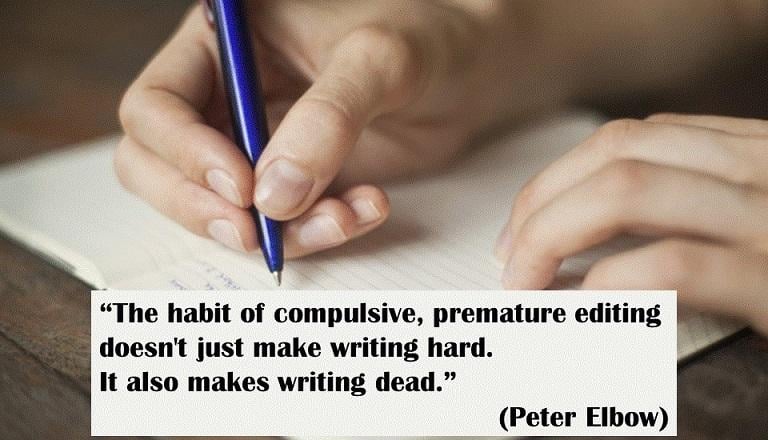
This is precisely why freewriting can be a valuable copywriting exercise. Set a timer for 10 minutes, grab a pen and paper, and let your thoughts flow freely without any rules.
5. Gather Relevant Data
Research is essential for many copywriting tasks and can benefit all types of copywriting. Spend time exploring industry publications related to your topic, delve into relevant Twitter threads, consult experts, and analyze data from your accounts.
This research can directly contribute to your writing process. However, even if it doesn’t explicitly appear in the final copy, having background knowledge strengthens your writing, resulting in more impactful copy.
6. Temporarily Set Aside Your Introduction
This technique is particularly useful for longer content such as blog posts, white papers, and ebooks. If you’re struggling to get started, dive straight into your first topic and postpone writing the introduction.
An effective introduction serves several purposes: it establishes the content’s tone, introduces the topic, and sets expectations for the reader. For instance, in an ebook about Google Merchant Center, the introduction should inform readers about the covered topics, their organization, and the knowledge they’ll gain.
It’s challenging to write a comprehensive introduction before completing the main content, as the scope might evolve. Therefore, avoid wasting time on it if it hinders your writing process. Skip the introduction initially and return to it once the content is complete, and you have a clear understanding of its scope.
7. Read Your Work Aloud
While you might not be writing a podcast or video script, it’s crucial to remember that even marketing copy is meant to be read, not just skimmed. When people read, they internally vocalize and even “hear” the words, a process known as subvocalization.
Therefore, read your work aloud and pay attention to how it sounds. Are there any awkward phrases? Did you unintentionally create rhymes or confusing word combinations? Did you find it difficult to follow? If so, revise accordingly.

Things often sound different when vocalized.
8. Discuss with a Colleague
Since you’re already in a talkative mood, engage a coworker in conversation. Explaining your project to someone else helps you summarize and organize your thoughts, making it easier to tackle the writing process.
Plus, it transforms your procrastination coffee break into a productive and guilt-free one.
9. Condense Your Project into a Single Sentence
This exercise is beneficial for overcoming writer’s block or initiating new projects.
Reflect on your writing task, considering its format, purpose, scope, and target audience. Then, encapsulate it all in one sentence.

Ensure that the sentence is clear, concise, and accurate. If you struggle with this, it indicates that you need to invest more time in understanding the project before diving into writing.
10. Embrace the “Shitty First Draft”
A college professor once shared this valuable advice: “You don’t have to marry your first draft.” It’s not about perfection but about getting your ideas down. In most cases, revisions after content editing are inevitable.
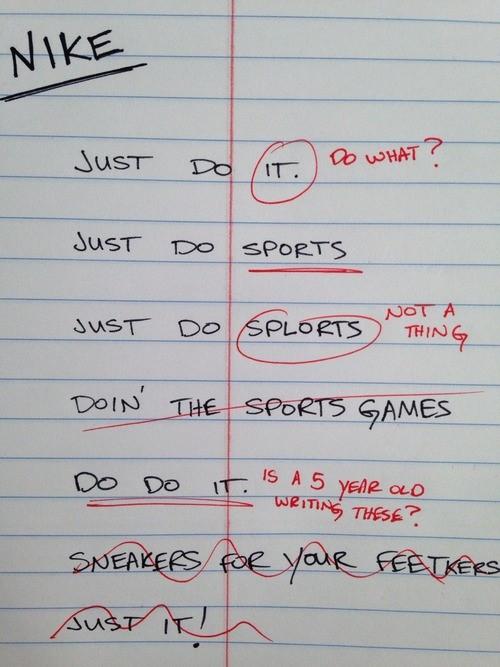
Even the most exceptional ads likely underwent multiple revisions. This approach can be liberating. Give yourself permission to start with imperfect ideas and write bluntly, even if the sentences seem unpolished. Use a “shitty” draft as a tool to brainstorm and kickstart your writing process.
Just remember to go back and revise!
Keep These Copywriting Tips Handy!
Here’s a recap of these 10 copywriting tips:
- Outline the Essentials
- Repurpose Content You Admire
- Visualize Your Task or Concept
- Engage in a 10-Minute Freewriting Session
- Gather Relevant Data
- Temporarily Set Aside Your Introduction
- Read Your Work Aloud
- Discuss with a Colleague
- Condense Your Project into a Single Sentence
- Embrace the “Shitty First Draft” Since copywriting is an ongoing process, save yourself time and effort by referring back to these tips and exercises whenever you need a jumpstart on your writing!